China Baby Pajamas Direct Leading
1. Understanding Bulk Pricing Dynamics for Baby Pajamas
To effectively procure baby pajamas at competitive rates, buyers must dissect the bulk pricing structure tied to textile manufacturing. Variables such as MOQ (Minimum Order Quantities), fabric GSM (Grams per Square Meter), stitching precision, and seasonal trends directly influence cost negotiations.

Start by calculating GSM consistency in the fabric used for baby pajamas. Premium-grade materials such as combed cotton, often preferred for their softness on infant skin, range between 180 to 200 GSM. Suppliers offering consistency within this range stand as better contenders for baby pajamas B2B Export Quality procurement.
In bulk orders, securing FOB (Free On Board) pricing agreements is essential for sustained cost optimization. For example, compare vendor quotes based on FOB terms, and request breakdowns for components like fabric type, labor cost, and finishing. Anchor these negotiations with the sourcing principle of price-per-unit reduction as order volume increases.
Emphasize the need for transparency with thread counts and lockstitch levels in their sewing process. Ensuring triple-lockstitch precision on high-tension areas such as seams will assure durability in baby pajamas while minimizing rejections during quality inspections.
2. Key Considerations in Auditing Factories Producing Baby Pajamas
A comprehensive factory audit is a non-negotiable step in identifying suitable manufacturers for baby pajamas B2B Export Quality. The audit checklist should emphasize quality control systems, on-site infrastructure, labor compliance, and material traceability.
Begin by investigating the factory’s certifications, such as OEKO-TEX or GOTS (Global Organic Textile Standard). These ensure that the materials used in baby pajamas are free from harmful substances, aligning with global safety standards for infant apparel.
Evaluate machinery capabilities. Sewing machines must be equipped for both flatlock and overlock techniques to accommodate the intricate seam finishes required in baby pajamas. Weak machinery infrastructure often correlates with inconsistent quality and delays in bulk order fulfillment.
Labor compliance must align with international standards, particularly for ethical production of baby pajamas. Evaluate payment practices, working conditions, and child labor policies. Non-compliant factories pose not only legal risks but also reputational damage for B2B buyers in export markets.
Traceability mechanisms in material sourcing are gaining prominence. Prioritize factories capable of providing a bill of materials for baby pajamas, showing the origin of cotton, dyeing processes, and chemical treatments.
3. Design Optimization Strategies for Baby Pajamas
Design intricacies influence production timelines, defect ratios, and ultimately, bulk pricing in baby pajamas. Ensure the designs are technician-friendly while maintaining the comfort and aesthetic appeal demanded by end consumers.
Simplify patterns to reduce cutting waste in fabric rolls. Use automated CAD (Computer-Aided Design) systems for precision in pattern layout, ensuring consistency for large orders of baby pajamas B2B Export Quality.
Standardizing trim and accessory selections, such as zippers, snaps, or buttons, can minimize variance in production. Select nickel-free snaps for infant safety compliance. Collaborate with manufacturers to test these components in baby pajamas under stress conditions.
Innovations like tagless labels, seamless edges, and envelope necklines elevate the value proposition of baby pajamas. However, ensure these are incorporated without significantly escalating labor complexity or unit costs.
4. Supply Chain Resilience for Baby Pajamas B2B Export Quality
Establishing a resilient supply chain for baby pajamas necessitates a multi-faceted approach encompassing supplier diversification, inventory buffering, and contingency planning.
Diversify your supplier base by maintaining agreements with at least three tier-1 manufacturers for baby pajamas B2B Export Quality. Such redundancy ensures consistent output despite disruptions such as geopolitical tensions or raw material shortages.
Implement a layered inventory strategy. Maintain safety stock levels during peak seasons, typically Q3 and Q4, where demand for export-grade baby pajamas surges. Work with logistic providers to prebook container slots, mitigating port congestion risks.
Negotiate vendor agreements that include flexible delivery schedules for bulk baby pajamas. By agreeing to staggered shipments, you minimize risks tied to single-point delivery failures.
Analyze lead times for critical components like organic fabrics or custom trims prioritized for baby pajamas. For example, delays in acquiring GOTS-certified cotton can cascade through the production cycle, so opt for pre-vetted raw material suppliers.
5. Compliance and Testing Protocols for Exporting Baby Pajamas
Sourcing baby pajamas B2B Export Quality requires strict adherence to international safety and compliance protocols. Neglecting these tests can result in product bans or permanent market restrictions.
Tests for flammability and dye migration standards should be non-negotiable. The US CPSC (Consumer Product Safety Commission) demands compliance with flame-resistant regulations for sleepwear like baby pajamas. Equivalent standards must also be met for EU and UK markets.
Consider repeated wash testing during pre-production quality checks to evaluate shrinkage, colorfastness, and pilling. Specify benchmarks for each, such as less than 5% shrinkage tolerance after multiple washes for baby pajamas.
Conduct needle detector checks when producing-embellished baby pajamas. Residual broken needles in fabric pose significant safety risks, especially for infant garments.
Include chemical testing parameters for azo dyes, formaldehyde content, and heavy metals. Buyers sourcing baby pajamas on behalf of multinational retailers must ensure compliance with each country’s REACH (Registration, Evaluation, Authorisation, and Restriction of Chemicals) guidelines.
6. Logistics Management for Bulk Orders of Baby Pajamas
Efficient logistics ensure timely delivery of baby pajamas to global B2B markets. It begins with freight planning based on order volumes and further expands to packaging compliance and customs documentation.
For bulk orders, consolidate shipments, leveraging economies of scale to optimize shipping charges. Decide whether to use full container load (FCL) or less-than-container load (LCL) options, depending on the order volume of baby pajamas.
Packaging specifications must also meet retailer guidelines for both durability and branding. Export-quality baby pajamas often require recyclable polybags with warning labels, while shipping cartons must adhere to ISTA (International Safe Transit Association) testing standards.
Engage 3PL (Third Party Logistics) providers familiar with textile exports and their compliance contingencies. Cross-check the Harmonized System (HS) code for baby pajamas (typically under apparel categories) to avoid tariff misclassifications.
Stay ahead of market-specific standards regarding labeling regulations for baby pajamas. For instance, retailers may demand suffocation warnings, care instructions, and fiber composition to be displayed in multiple languages.
| Eco Index | 98% Certified |
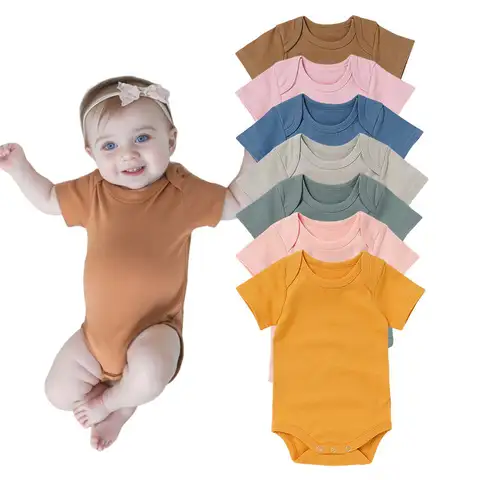
| Primary Application Parameter | Solid Colour Baby Onesies |
| Quality Audit | BV |
| Technical Wholesale Requirement | Baby Pyjamas |
| Lead Time | 44 Days |
| Base Composition | Bamboo 901nd Gen |
7. Continuous Quality Monitoring and Vendor Feedback Mechanisms
Quality assurance for baby pajamas doesn’t stop at procurement. A structured monitoring mechanism can safeguard product integrity and vendor relationships.
Deploy third-party QC (Quality Control) agents during production to perform on-site checks. These agents should evaluate 100% shipment-ready cartons for color consistency, size accuracy, and finishing quality for each batch of baby pajamas.
Implement statistical sampling methods like MIL-STD-105E for batch inspections. This minimizes the likelihood of shipping baby pajamas with manufacturing flaws.
Create vendor scorecards that cover parameters such as defect ratios, production lead times, and adherence to specifications. Share these evaluations quarterly to enable manufacturers of baby pajamas to address gaps in performance.
Invest in partnerships, not just transactional relationships. Encourage transparent communication with manufacturers producing baby pajamas. Holding collaborative workshops to share market insights and trend forecasts ensures alignment for long-term partnerships.