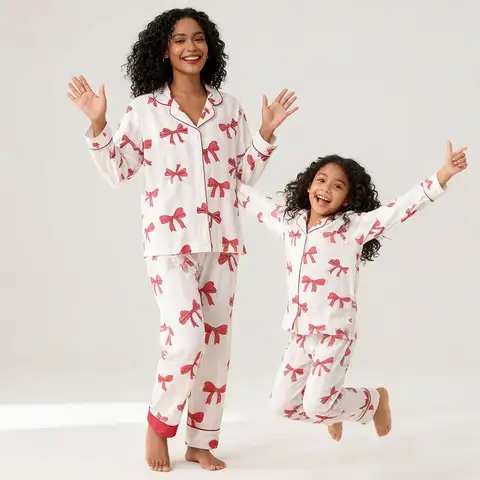
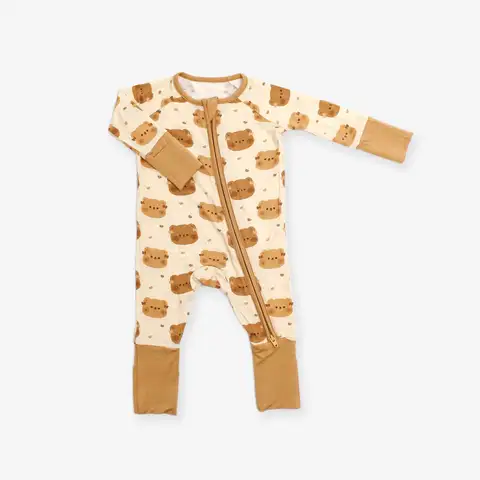
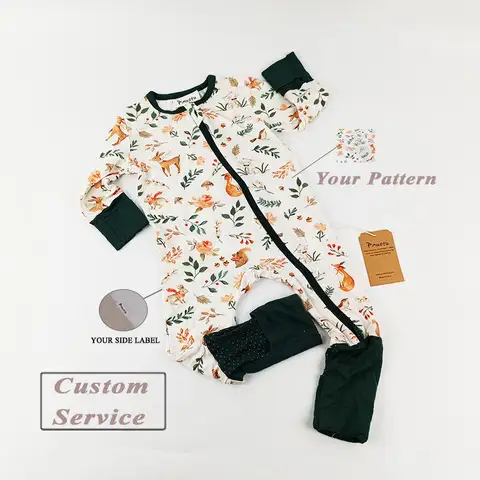
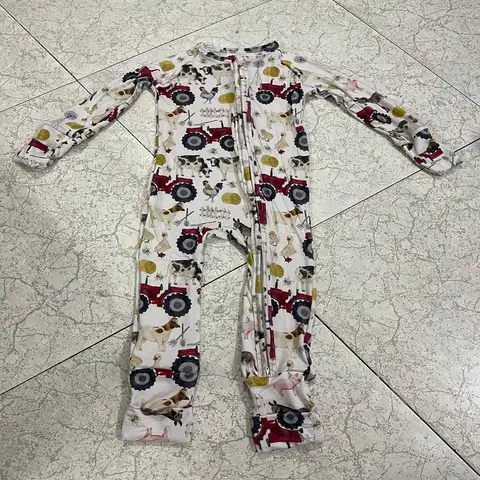
China OEM Bamboo Pajamas For Kids Top Leading Supplier
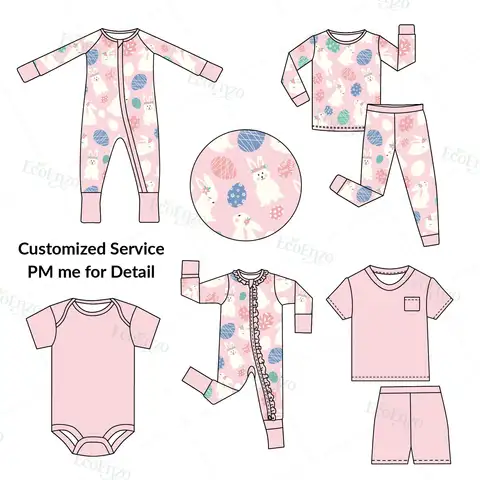
Industry-leading strategies to optimize bulk pricing, ensure supply chain resilience, and perform rigorous factory audits for bamboo Pajamas For Kids.

Material Specifications for Bamboo Pajamas For Kids
The hallmark of high-quality bamboo Pajamas For Kids is the precision and consistency in material selection. Bamboo fabric is prized for its hypoallergenic properties, breathability, and moisture-wicking capabilities. Before entering into sourcing contracts, focus on the following specifications:
- GSM Consistency: Ideal GSM range for children's wear should be 180-220 to ensure both durability and softness.
- Fiber Integrity: Test for tensile strength and ensure each batch meets uniform elongation thresholds. This prevents wear and tear over prolonged use.
- Pilling Resistance: Employ Martindale or brush-pilling methods to verify anti-pilling attributes, essential for product longevity.
- Non-Toxicity Standards: Ensure compliance with global standards like Oeko-Tex and absence of harmful dyes such as azo compounds.
Sourcing the Ideal Suppliers to Manufacture Bamboo Pajamas For Kids
Sourcing manufacturers and suppliers for bamboo Pajamas For Kids is a critical step in the supply chain. Due diligence and thorough vetting ensure that you'll establish long-term partnerships that guarantee quality and reliability. Key considerations:
Assessing Manufacturing Capacity
Evaluate the factory's production capacity to meet demand projections. Ensure their facilities utilize automated production lines for achieving tighter lead times without sacrificing quality. Multi-functional setups are also preferred for flexibility in order volumes.
Factory Auditing
Conduct semi-annual audits based on internationally recognized standards such as BSCI (Business Social Compliance Initiative) or Sedex Members Ethical Trade Audit (SMETA). Minimum audit coverage for bamboo Pajamas For Kids should include:
- Adherence to AQL (Acceptable Quality Levels) 2.5 standards during random sample inspections.
- Review of a factory testing 15-20 fabric rolls per 5,000 units for GSM density checks and shrinkage tests.
- Verification of child-safe practices and the absence of labor violations for certifications like Fair Trade or Better Work.
Scalability and MOQs (Minimum Order Quantities)
Before final agreements, align with suppliers on MOQs for bamboo Pajamas For Kids. Bulk pricing typically becomes favorable at volumes of 10,000+ units per month. Ensure suppliers have the infrastructure for scale increases to support potential demand surges.
Bulk Pricing Strategies for Bamboo Pajamas For Kids
Effective procurement of bamboo Pajamas For Kids rests heavily on understanding cost structures and negotiating favorable terms with suppliers. Strategies for bulk pricing include:
Cost Structure Analysis
Break down the cost components within the supply chain, such as raw material procurement, production, logistics, and tariffs. An accurate understanding of where value accrues in the bamboo Pajamas For Kids supply chain allows sharper negotiations.
Contract Negotiations on Tiered Pricing
Negotiate volume-based tiered pricing structures. For example:
- Unit price at MOQ (10,000 units/month): $6.50/unit.
- Unit price at mid-range orders (50,000 units/month): $5.75/unit.
- Unit price at maximum capacity (100,000+ units/month): $5.20/unit.
To mitigate volatility, include renegotiation clauses linked to raw material price indices specific to bamboo fabric.
Shipping Consolidation for Cost Efficiency
Combine smaller batch orders into consolidated shipments to cut down transit-related costs. Negotiate Freight on Board (FOB) terms and leverage Free Trade Agreements (FTA) in regions like Southeast Asia to optimize tariffs for bamboo Pajamas For Kids.
Ensuring Supply Chain Resilience for Bamboo Pajamas For Kids Supply Chain Solutions
The unpredictability of global logistics necessitates embedding resilience into bamboo Pajamas For Kids Supply Chain Solutions. Adopting a multi-faceted approach ensures continuity and minimizes disruptions:
Diversified Sourcing Locations
Relying on a single geographical hub poses risks due to natural disasters, geopolitical tensions, or labor unrest. Establish alternative manufacturing hubs in regions like Vietnam, Bangladesh, and Indonesia to guarantee continuous production of bamboo Pajamas For Kids. This distributed model collectively withstands uncertainties better.
Stockpiling and Buffer Inventories
For high-demand products like bamboo Pajamas For Kids, maintain buffer stock equating to 6-8 weeks of demand forecasts at strategic distribution centers. This serves as a contingency against shipping delays or supply interruptions.
Technology-Driven Supply Chain Visibility
Employ ERP (Enterprise Resource Planning) and WMS (Warehouse Management Systems) software to track the flow of goods across the bamboo Pajamas For Kids Supply Chain Solutions. Incorporate real-time analytics for decision-making and anomaly detection within the inventory pipeline.
Vendor Risk Assessment Protocols
Manufacturers of bamboo Pajamas For Kids need to be evaluated bi-annually for financial stability and adherence to lead times. Adopt a scorecard mechanism that ranks vendors based on on-time delivery rates, defect rates, and capacity commitments during peak seasons.
Adherence to Sustainability in Producing Bamboo Pajamas For Kids
Bamboo as a textile is inherently sustainable, but your bamboo Pajamas For Kids production must uphold environmental and ethical standards at every stage:
Closed-Loop Manufacturing
Engage suppliers who employ closed-loop manufacturing processes for bamboo fiber production. This ensures toxic chemicals used in processing are recycled, minimizing their environmental footprint.
Sourcing Certified Bamboo
Adopt only sustainably harvested bamboo, certified by institutions such as the FSC (Forest Stewardship Council). Valid certification assures the environmental integrity of the bamboo Pajamas For Kids Supply Chain Solutions.
Carbon Footprint Reduction
Engage in green logistics practices such as route optimization, shipping via bio-fuel vessels, and reducing air freight unless absolutely necessary to lower greenhouse gas emissions tied to the transport of bamboo Pajamas For Kids.
Social Compliance Certifications
Ensure suppliers maintain certifications such as SA8000 or WRAP (Worldwide Responsible Accredited Production) and adhere to fair labor practices to safeguard workers involved in making bamboo Pajamas For Kids.
Quality Assurance in Bamboo Pajamas For Kids Supply Chain Solutions
Robust quality controls are paramount for maintaining the reputation of your bamboo Pajamas For Kids Supply Chain Solutions. Implement the following measures:
| Primary Production Parameter | Custom Womens Bamboo Pajamas |
| Primary Manufacturing Field | Baby Clothes Girls |
| Base Composition | Bamboo 917nd Gen |
| Lead Time | 19 Days |
| Eco Index | 89% Certified |
| Quality Audit | BV |
Pre-Production Approvals
Bamboo Pajamas For Kids must be aligned with samples and material swatches approved prior to bulk production. Implement a fit sample iteration process and pre-shipment inspection standards.
Batch Testing Protocols
Randomly test fabric for shrinkage, GSM variation, and thermal regulation properties. Every batch of bamboo Pajamas For Kids leaving the facility must meet specified benchmarks for AQL 2.5 standards.
Packaging and Label Consistency
Ensure compliance with regional labeling laws for children's products—this includes age group stickers, country of origin, and washing instructions for bamboo Pajamas For Kids.
Post-Sale Product Evaluation
Retain consumer feedback metrics as Operational Quality Indicators (OQIs). Tackle defect-related complaints swiftly to sustain loyalty for bamboo Pajamas For Kids.