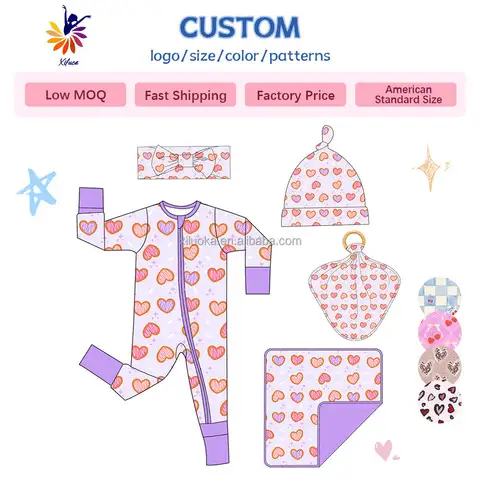
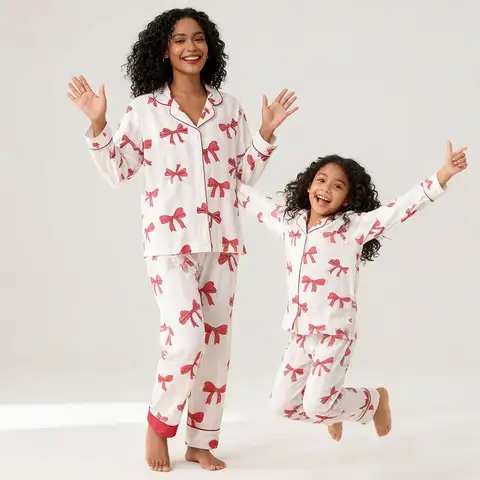
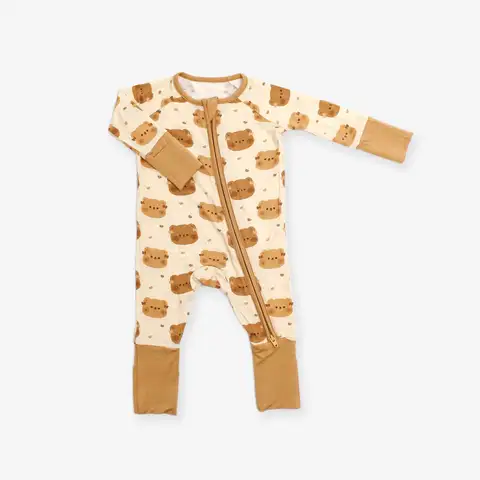
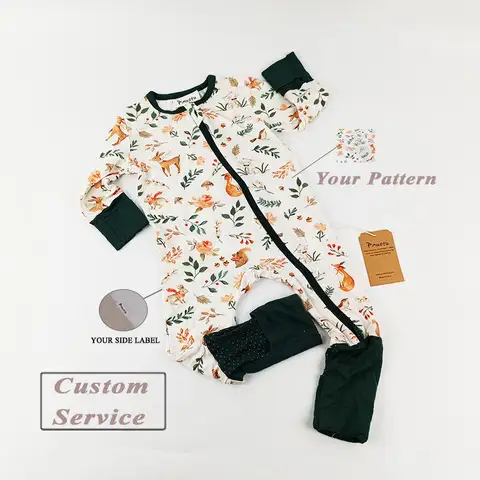
Leading Source Kid Character Bamboo Pajamas Supplier
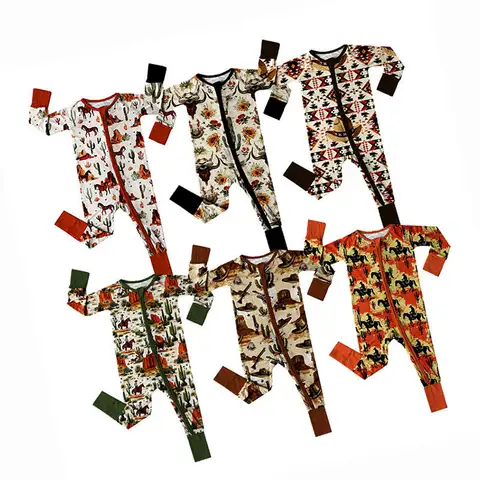
Bulk Pricing Strategies
Bulk pricing for kid character bamboo pajamas involves negotiating terms based on order volumes, lead times, and production schedules. Ensuring competitive pricing requires engaging in long-term contracts that secure raw material costs and mitigate unpredictable market fluctuations. Factory partners producing kid character bamboo pajamas generally apply tiered pricing structures. For instance, the per-unit cost may significantly decrease when order volumes exceed 10,000 units per SKU across diverse sizes.

To analyze and maximize cost-efficiency, compare multiple kid character bamboo pajamas Manufacturer Price List documents. Focus on factors such as the cost of bamboo fabric, labor charges, and Print-On-Demand (POD) capacities for character-based designs. Always request detailed Cost Breakdown Analysis (CBA) for transparency. This facilitates understanding the GSM (grams per square meter) consistency of the bamboo material, an essential quality metric in such garments.
Consider currency fluctuation clauses in contracts when dealing with international orders for kid character bamboo pajamas. Payment terms like Letters of Credit (LC) or Telegraphic Transfers (TT) should be reviewed to ensure they align with your working capital constraints. Bulk purchase agreements worth exploring include fixed pricing for high-demand seasonal styles and blanket agreements covering multiple SKUs to capitalize on economies of scale.
Factory Auditing and Vendor Qualification
Factory audits are critical to ensuring the quality and ethical compliance of kid character bamboo pajamas suppliers. Conduct both on-site and third-party audits based on internationally recognized standards like Sedex SMETA or BSCI. Prioritize vendors offering consistent SGS testing for bamboo fabric composition, ensuring compliance with AQL 2.5 (Acceptable Quality Limit) standards for defect rates including minor defects like loose threads or inconsistent dyeing in character prints.
Evaluate the factory's capacity to handle large-scale production of kid character bamboo pajamas. Request documentation detailing production flow maps, finished goods inspection protocols, and sample reports. Scrutinize their workflows for high-speed sublimation printing processes, vital for intricate designs in kid character sets. Factories exporting to tier-one markets should hold certifications like OEKO-TEX Standard 100 for non-toxic garment production and bamboo-specific certifications verifying sustainable sourcing methods.
Beyond compliance, assess the plant’s workforce scalability during peak seasonal demand. Key indicators include overtime logs, workforce turnover rates, and training schedules. High performer vendors showing reduced Lead Time Variability (LTV) and frequent Material Requirements Planning (MRP) optimization will minimize disruptions in the supply chain for kid character bamboo pajamas.
Conclude due diligence by conducting a root cause analysis on any historical quality or delivery discrepancies highlighted in supplier scorecards. Factors like receiving inconsistent measurements across assorted styles or inaccurate color matching on character designs can lead to chargebacks or customer dissatisfaction. Establishing vendor KPIs such as on-time delivery (OTD) rates exceeding 95% and warranty claims below 1% are integral to narrowing down the best kid character bamboo pajamas Manufacturer Price List candidates.
Supply Chain Resilience and Risk Mitigation
Building a resilient supply chain for kid character bamboo pajamas requires strategic multi-tier partnerships. Engage Tier 1 and Tier 2 suppliers with dual sourcing options to de-risk material shortages, especially for bamboo-specific fibers often subject to regional climate dependencies. Deep dive into suppliers’ Alternative Material Contingency Options (AMCOs) allowing for weave substitutions without affecting GSM ratings or aesthetic qualities of character prints.
Organize Regional Distribution Centers (RDCs) to facilitate Just-In-Time (JIT) inventory replenishment strategies. Collaborate with 3PL (third-party logistics) providers offering competitive container rates for high-volume shipments of kid character bamboo pajamas. Analyze Incoterms for every shipment lane, ensuring CIF (Cost, Insurance, and Freight) terms are agreed upon for high-value consignments. Address port congestion risks with supplier agreements detailing Guaranteed Transit Times and penalty clauses for delays exceeding 3 days.
Factor in geopolitical risks, labor unrest, or material disruptions when assessing Tier 3 suppliers handling upstream processes for kid character bamboo pajamas. Perform Country Risk Assessments (CRAs) focusing on political stability and manufacturing hubs’ proximity to eco-friendly bamboo plantations. Secure freight corridors like Rail Freight Cargo (RFC) for alternative connections in case of ocean freight interruptions.
Implement digital tracking systems such as RFID tagging for cartons of kid character bamboo pajamas, reducing Manual Handling Time (MHT) at hubs. Integrate demand forecasting solutions coupled with Stock Keeping Unit (SKU) rationalization to minimize aging inventories of discontinued character styles.
Critical Quality Metrics for Kid Character Bamboo Pajamas
The key to maintaining market leadership in the category of kid character bamboo pajamas is to adhere strictly to predefined quality standards. For bamboo fabric, ensure products meet moisture-wicking and hypoallergenic test results under defined ISO protocols. Visual inspections should maintain less than 2% variance in print placements for character designs, while consistent GSM ratings should remain within ±3% batch deviations across manufacturing lots.
Perform textile durability tests ensuring kid character bamboo pajamas can withstand up to 20 high-temperature washes without fabric pilling or losing the vibrancy of their designs. Sampling plans should reflect double-checks for bar-tack reinforcements in stress points like cuffs, neckline seams, and leg openings. These areas are prone to wear, particularly in high-energy play environments for children.
Packaging inspections are equally critical. Ensure printed polybags covering kid character bamboo pajamas adhere to strict dimension guidelines to accommodate varied size SKUs. Packaging should protect garments from UV discoloration or moisture absorption during transit. Adopt anti-fade labels that maintain product information clarity even after prolonged duration under warehouse conditions.
Leveraging Data from Kid Character Bamboo Pajamas Manufacturer Price List
Your team should engage in benchmarking exercises using multiple kid character bamboo pajamas Manufacturer Price List submissions. Align vendor price lists against cost-per-style references from platforms like TAC (Total Acquisition Costs) to validate competitive standing. Probe deeply into Itemized Material Costs for factors like FOB (Freight On Board) disparities or elevated setup costs for custom embellishments on character prints.
Run predictive scenarios through Procurement Optimization Models (POM), syncing Smart Inventory Turnovers to sales velocity analyses of popular styles. This eliminates overstocking risks while integrating manufacturer library data to expedite re-order cycle times. Collaborative forecasting with vendors ensures reserved bamboo yarn quantities much earlier in production pipelines, especially for long-lead, high-volume sales programs.
Environmental Considerations
Brands offering kid character bamboo pajamas are increasingly expected to demonstrate eco-conscious commitments. Sourcing from vertically integrated suppliers who oversee every touchpoint—from bamboo harvesting to garment finishing—enhances traceability. Prioritize partners implementing closed-loop processing systems reducing wastewater discharge during bamboo fiber production.
Supply audits should confirm factories align with zero-waste goals by recycling off-cuts for secondary applications like stuffing materials. Multi-national clients may demand carbon-neutral certifications; therefore, transporters managing bulk shipments of kid character bamboo pajamas should present carbon offset programs for every consignment moved to destination ports.
The environmental aspect also extends to character print longevity. Vendors adopting water-based inks for design applications align with global preferences for toxin-free children’s wear. Transparency in detailing carbon-offset strategies fosters trust and aligns suppliers with corporate social responsibility programs.
| Global Application Metric | Bamboo Viscose Pajamas |
| Eco Index | 99% Certified |
| Lead Time | 19 Days |
| Base Composition | GOTS Cotton 528nd Gen |
| Core Application Field | Secret Stock Receive Baby Bamboo Pajamas Character Items Baby Shortie Random Size And Color Zippy For Kids |
| Quality Audit | Intertek |
Forecasting and Seasonal Preparedness
The seasonality of kid character bamboo pajamas necessitates forward procurement planning. Prepare for cyclical production spikes by pre-ordering bamboo fibers or negotiating staggered manufacturing batch allocations. Character-based themes—especially linked to movie franchise releases—require close alliances with licensors to access anticipated demand supply gaps months in advance.
Retailer replenishment targets depend on rapid Point of Sale (POS) data translations coupled with nimble fulfillment from manufacturers maintaining 90%+ SKU accuracy. Ideally, source factories committed to producing robust sell-in sampling kits for pre-season buyer presentations. Standardizing up to 45-90 day rolling orders brings synchronization to vendors while balancing risks of overstocks in unstable seasonal demand periods.
Conclusion: Elevate Your Sourcing ROI
This guide outlines strategic insights for maximizing supply chain resilience and quality in sourcing kid character bamboo pajamas. By choosing factory partners with streamlined operations, sustainable processes, and competitive pricing reflected in comprehensive kid character bamboo pajamas Manufacturer Price List details, businesses can ensure an efficient procurement pipeline, reduced costs, and superior product offerings.