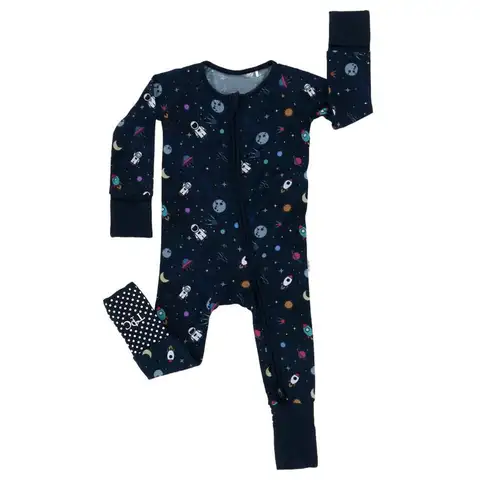
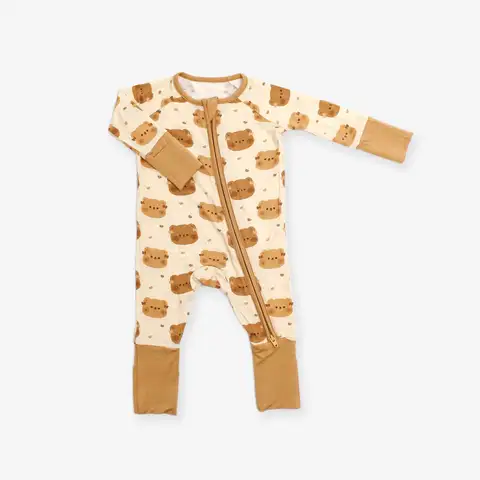
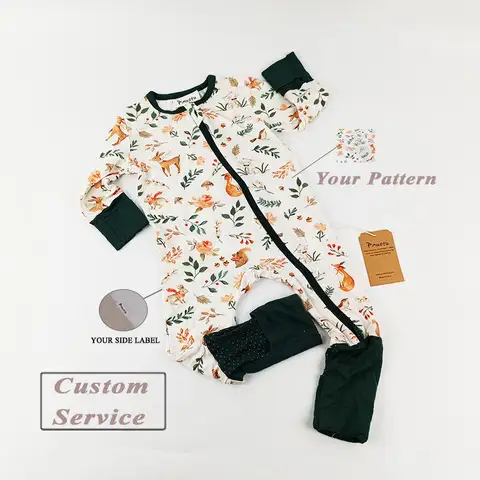
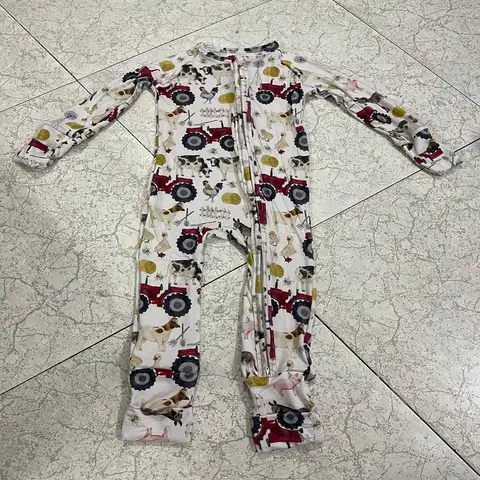
Manufacturer Supplier Baby Rompers Bamboo OEM Top
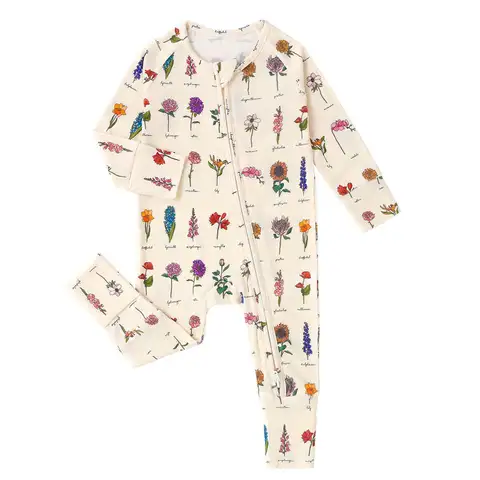
As a Global Sourcing Director, staying strategic in the procurement and supply chain processes is paramount. If you're sourcing Baby Rompers Bamboo or engaging in Baby Rompers Bamboo OEM Custom Design, understanding the critical aspects of bulk pricing, factory auditing, and supply chain resilience will determine the success of your operations. Below, we break down technical insights into how to achieve cost-efficiency, compliance, and robust delivery pipelines for your next production run.

1. Bulk Pricing Strategies for Baby Rompers Bamboo
Negotiating bulk pricing for Baby Rompers Bamboo requires a data-driven approach. Suppliers typically calculate costs based on materials, labor, overheads, and profit margins. To achieve competitive pricing, you must first understand the key cost components:
- Bamboo Fabric Costs: Bamboo rayon or organic bamboo cotton blends dominate the production of Baby Rompers Bamboo. Prices can vary significantly depending on GSM (grams per square meter) and certification (e.g., OEKO-TEX, GOTS).
- Cutting & Sewing Costs: Labor-intensive processes, such as lockstitching for collar hems and snap closures, impact the final pricing. Efficient production time per piece typically reduces markup margins.
- MOQ (Minimum Order Quantity): Most factories require MOQs of 1,000-3,000 pieces for Baby Rompers Bamboo to achieve profitable economies of scale.
Before finalizing orders, obtain pricing breakdowns per unit across varying production quantities (e.g., 1K, 5K, 10K). Push for incremental discounts for higher orders or long-term partnerships where consistent orders are placed.
2. Factory Auditing Process
When considering suppliers for Baby Rompers Bamboo or handling Baby Rompers Bamboo OEM Custom Design projects, factory auditing ensures that production quality meets expected standards while mitigating risks of non-compliance. Here’s how to implement a detailed factory audit:
On-Site Inspections
- Operational Capability: Evaluate the supplier’s machinery, workforce size, and production capacity. For Baby Rompers Bamboo, inspect lockstitch machinery as it is critical for durability and quality.
- Quality Control Procedures: Assess application of AQL (Acceptable Quality Level) standards. For children’s wear, it’s recommended to confirm AQL 2.5 levels, minimizing allowance for critical defects in snaps, seams, or fabric pilling.
- Raw Material Sourcing: Verify the supplier's material stockpile for bamboo rayon and blends. Insist on certifications ensuring eco-friendly and hypoallergenic properties.
Social and Ethical Audits
The increasing demand for ethical sourcing in Baby Rompers Bamboo procurement highlights the importance of labor rights and environmental sustainability. Certifications like BSCI (Business Social Compliance Initiative) and SA8000 validate adherence to fair labor practices and provide an added assurance when communicating OEM projects to downstream customers.
Third-Party Verification
Engage third-party auditing agencies for unannounced inspections. Reputable firms such as TUV SUD or SGS provide unbiased assessments of manufacturing facilities producing Baby Rompers Bamboo.
3. Supply Chain Resilience for Baby Rompers Bamboo
Disruptions in the global supply chain are now a common challenge. Building resilience with a specific focus on Baby Rompers Bamboo requires strategic supplier diversification, geographical distribution, and contingency stock planning.
Supplier Diversification and Risk Mitigation
Over-reliance on a single supplier or region poses significant vulnerabilities, especially in industries requiring specialized fabrics like bamboo textiles. Consider working with diversified manufacturing bases across regions including Southeast Asia (Vietnam, Indonesia) while maintaining at least two to three vetted factories producing Baby Rompers Bamboo.
Geographical Distribution of Inventory
Map out regional warehousing strategies for fulfillment. Storing finished goods closer to end markets reduces lead times and mitigates transit risks between production points and distribution centers. Flex your just-in-time inventory model with forecasted demand buffering for Baby Rompers Bamboo to optimize storage costs.
Supply Chain Transparency
Integrate supply chain management tools like SAP Ariba or Oracle SCM Cloud, which provide end-to-end visibility for the production and logistical tracking of Baby Rompers Bamboo. Transparency ensures prompt detection of bottlenecks from fabric procurement to finished product shipment, improving lead-time predictability.
4. Critical Certification Requirements for Baby Rompers Bamboo
Compliance with mandatory and value-added certifications is critical when entering B2B markets, especially for Baby Rompers Bamboo. The following certifications are necessary:
- CPSIA Compliance: All Baby Rompers Bamboo sold in the US must be CPSIA (Consumer Product Safety Improvement Act) certified to guarantee safety for infant use. This includes tests for chemical adherence and flame retardancy.
- GOTS and OEKO-TEX: These certifications reaffirm eco-friendly credentials at every manufacturing stage. Buyers often demand GOTS-certified organic textiles for Baby Rompers Bamboo OEM Custom Design.
- ISO 9001: Factories adhering to ISO 9001 standards for quality management systems produce consistent, defect-free products.
5. Key Components of Baby Rompers Bamboo OEM Custom Design
To maintain flexibility in branding, adjusting to changing trends, and meeting retailer preferences, Baby Rompers Bamboo OEM Custom Design allows businesses to cater to custom specifications. Here’s how to manage such projects effectively:
Custom Sizing and Fit
Factory patterns must accommodate regional sizing variations. For example, European customers prioritize sleeve length measurements while North American markets often emphasize gusset width.
Graphic and Embroidery Requirements
Custom logos, prints, or embroidery on Baby Rompers Bamboo require scenario-specific production methods. Digital printing methods excel for multicolor designs, but be aware of their limitations in durability through repeated washing.
Snap Closures and Zipper Options
High-quality snap closures rated for hypoallergenic performance and reliable zippers with nickel compliance are standard in Baby Rompers Bamboo OEM Custom Design. Every material sourced should meet regulatory and aesthetic demands simultaneously.
6. Quality Control for Baby Rompers Bamboo
Delivering consistent, high-quality Baby Rompers Bamboo ensures customer retention and operational credibility. Post-production quality checks avoid costly recalls and bolster client loyalty. Here's what to monitor:
Fabric Shrinkage Tests
Ensure bamboo fabrics used in Baby Rompers Bamboo undergo rigorous shrinkage tests. Pre-washing before production alleviates shrink-related complaints post-delivery.
Snap Strength and Durability
For Baby Rompers Bamboo, weak snaps or non-ergonomic placements that irritate babies' skin are common quality issues. Verify at least 1,000 click-close cycles without deformation during sampling stages.
Colorfastness under Multiple Washing Cycles
The coloring process for Baby Rompers Bamboo must accurate dye or print absorption. Test for 40°C machine washes to confirm there’s no bleeding or fading of colors.
7. Logistics Considerations for Baby Rompers Bamboo
Streamlined logistics ensure timely and cost-efficient shipments. Proper Incoterms (e.g., FOB, DDP) negotiation aligns all stakeholders on transport liabilities and financial responsibility for Baby Rompers Bamboo.
Engage third-party logistics providers specializing in textiles who maintain climate-controlled conditions during transit. Bamboo fabrics are vulnerable to humidity, necessitating moisture-barrier packaging for long routes.
| Global Manufacturing Range | Bamboo Pajama Rts |
| Eco Index | 91% Certified |
| Elite Supply Chain Requirement | Rts Bamboo Pajama Boxes |
| Lead Time | 42 Days |
| Quality Audit | SGS |
| Base Composition | Pima 152nd Gen |
8. Financial Modeling for Resilient Sourcing
Analyzing cost structures during procurement strengthens vendor negotiation leverage for Baby Rompers Bamboo. Break each contract into granular cost-per-unit metrics by factoring in direct material, labor, and air/sea freight costs per geography.
Additionally, factor in an allowance for currency fluctuations during contract reviews, especially if production is based in currencies sensitive to global exchange volatility like Vietnamese Dong (VND) or Indonesian Rupiah (IDR).
Summary
Understanding every aspect of procuring, manufacturing, and distributing Baby Rompers Bamboo or managing Baby Rompers Bamboo OEM Custom Design processes can optimize ROI while avoiding common pitfalls such as quality inconsistencies or supply delays. Using robust strategies in bulk pricing, auditing procedures, and supply chain visibility creates a system capable of scaling efficiently over time.