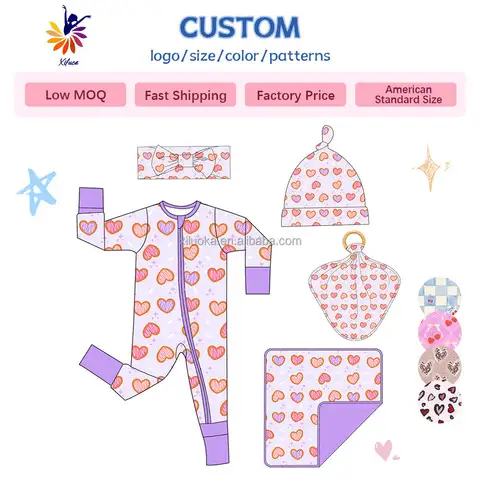
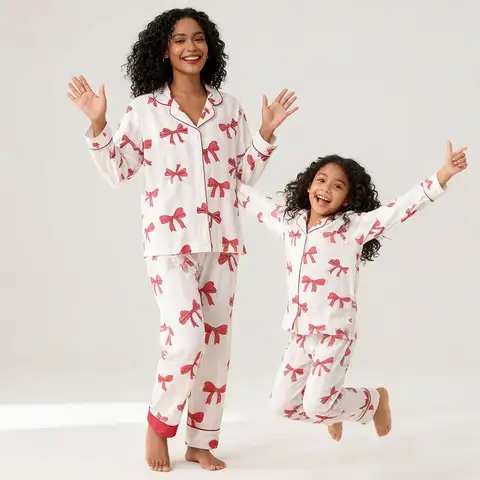
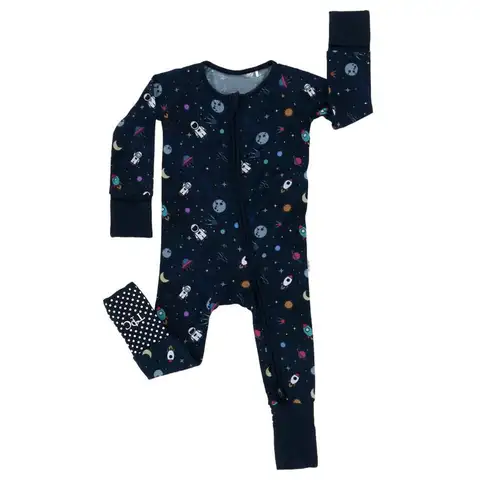
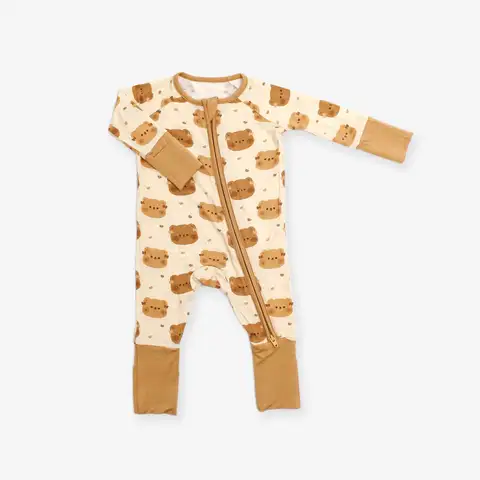
OEM Direct Leading Cotton Baby Rompers
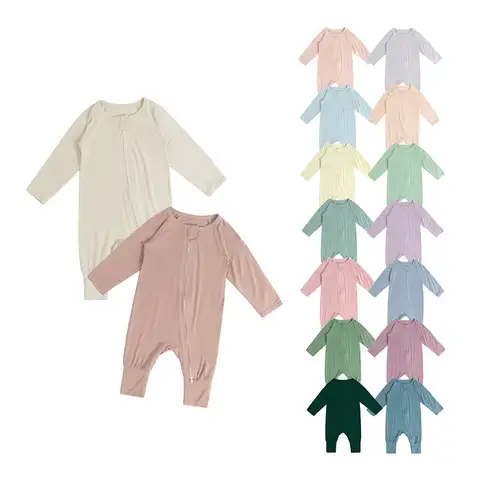
Bulk Pricing Dynamics for cotton Baby Rompers
Securing competitive pricing on cotton Baby Rompers depends on leveraging economies of scale while negotiating tiered rates with manufacturers. Businesses must focus on MOQs (Minimum Order Quantities) and pricing brackets to maximize cost advantages. For instance, purchasing 10,000 units often triggers a significant price break versus a 2,000-unit order. Spreadsheets detailing historical sell-through rates and unit projections should guide procurement teams.

Negotiating bulk rates often starts with analyzing cost breakdowns: fabric costs (combed vs. carded cotton), labor (cutting, sewing, finishing), trims, and logistics. For cotton Baby Rompers Wholesale Bulk Supply, ensure fabric specifications align with AQL 2.5 standards, reducing the risk of defects. Be cautious of “all-in-one” pricing models; separate FOB (Freight on Board) pricing to pinpoint potential cost inefficiencies.
Key Criteria for Factory Auditing
Auditing your suppliers is non-negotiable for ensuring quality standards in cotton Baby Rompers. Start with ethical sourcing compliance by verifying certifications like BSCI (Business Social Compliance Initiative) or SA8000. These standards ensure no forced or child labor is used during production.
Operationally, inspect whether manufacturers are equipped with automated cutting machines for consistent sizing of cotton Baby Rompers. Technology integration, such as real-time inventory management systems, helps maintain transparency. Conduct on-site audits to confirm cotton used in garments is organic or OEKO-TEX certified, depending on your brand’s requirements.
Testing protocols should align with international garment standards – AZO-free dye testing, shrinkage tests (within 3-5%), and pilling assessments are critical controls. Inspect factories for measurable KPIs such as line setup times and rejection rates by SKU. Prioritizing suppliers with approved third-party inspections through firms like Intertek or SGS minimizes risks in the supply chain.
SKU Rationalization: Optimal Inventory Planning for cotton Baby Rompers
Streamlining SKUs for cotton Baby Rompers Wholesale Bulk Supply can drastically reduce inventory carrying costs. Typically, 80% of sales are derived from 20% of SKUs. Drill down into this Pareto principle during your demand planning. Analyze bestselling designs, colors, and sizes to consolidate orders while cutting low-velocity SKUs.
Batch colorways in manufacturing—for example, producing pastel tones in bulk—to maximize fabric utilization and reduce waste. Opt for universal design templates reusable across multiple seasons when procuring cotton Baby Rompers. Flat-packing and vacuum sealing large shipments can also mitigate shipping volume surcharges. Utilize Enterprise Resource Planning (ERP) systems for active SKU tracking and automated replenishments.
Ensuring Supply Chain Resilience
Today’s ever-evolving global trade environment necessitates strategic geographic diversification. For cotton Baby Rompers Wholesale Bulk Supply, avoid single-source dependencies, especially from regions prone to political instability or logistical bottlenecks. Dual-sourcing raw materials and finished goods facilitates agility under challenging scenarios like port congestions or currency fluctuations.
Factory collaborations should focus on scalability. Suppliers must demonstrate capacity for high-volume ramp-ups during peak seasons (e.g., holiday retail surges). Discuss contingency plans with partners, such as fallback production sites to mitigate downtime.
Leverage supplier-partner programs for end-to-end visibility into raw material availability, providing critical lead-time advantages for cotton Baby Rompers. Prioritize direct vessel bookings to avoid intermediaries that increase freight costs or delay timelines. Firms with a robust Vessel Tracking System (VTS) and Electronic Data Interchange (EDI) integrations enable real-time order tracking.
Material Specifications and Compliance Parameters
The hallmark of premium cotton Baby Rompers lies in 100% GOTS-certified cotton. Full product traceability ensures compliance with modern consumer expectations. Require suppliers to submit lab test reports verifying material composition alongside pre-production prototypes for fit and stretch testing.
Conduct flammability testing for stringent adherence to CPSIA (Consumer Product Safety Improvement Act) regulations. When negotiating cotton Baby Rompers Wholesale Bulk Supply, request child-safe fasteners and confirm that all plastic snaps meet ASTM F963 standards. Lint count limits, thread strength tests, and stitch density checks should all fall within International Apparel Federation (IAF) standards.
Given heightened awareness of chemical impacts, opt for water-based screen-printing techniques or lead-free embellishments if customization is required in cotton Baby Rompers. Proactively maintain an internally certified Material Safety Data Sheet (MSDS) database for all raw materials used.
Markup Margins and Contract Negotiation Tactics
A clear understanding of markup margins levels the playing field in cotton Baby Rompers Wholesale Bulk Supply. The retail margin should exceed 50%, with room for markdowns in promotional periods. Back-calculate cost of goods sold (COGS) from retail price under both FOB and CIF (Cost, Insurance, Freight) scenarios to establish acceptable production budgets.
Include fixed price-lock agreements for recurring orders to hedge against market volatility in cotton prices. Demand rebates or baseline discounts if factory defect rates exceed the agreed AQL threshold. Tailor penalty clauses into contracts for late shipments or quality failures, aligning incentives across the supply chain.
Retain flexibility for rush orders during periods of unexpected demand. Dynamic pricing models can be negotiated for expedited lead times, especially for high-volume cotton Baby Rompers. Breakdown fee structures thoroughly before signing, ensuring no ambiguity in currency conversions or payment terms (e.g., LC at sight or TT in advance).
Outsourcing vs In-House Quality Control in cotton Baby Rompers Wholesale Bulk Supply
Enterprises sourcing cotton Baby Rompers at scale need to evaluate whether in-house QC inspections outperform outsourced alternatives. While third-party firms offer expertise in AQL sampling plans, internal teams provide oversight downstream during receiving warehouse inspections.
For cotton Baby Rompers Wholesale Bulk Supply, establish receiving inspections at DCs (Distribution Centers) to vet inbound stock thoroughly. This incoming quality control ensures consistency pre-distribution. For those relying on external agents, mandate randomized pre-shipment samples subjected to destructive tests (e.g., seam strength, wash durability).
Certifications and Branding Requirements
When importing cotton Baby Rompers into Western markets, prioritize vendors offering government-certified certifications of origin. Accurate tariff codes, such as HS Code 611120, can reduce custom clearances, speeding up deliveries.
Compliance with legal labeling standards in destination markets is another crucial factor. Cotton blend ratios, washing instructions, manufacturing country, and importer contact details must be documented on care labels for every item in the cotton Baby Rompers Wholesale Bulk Supply.
Integrate packaging marks for easy distribution sorting. Use variable data printing for warehouse-ready carton labeling. Pair this with RFID tracking systems, enabling fast and accurate inventory tracking post-shipment, which is especially vital for large-scale cotton Baby Rompers orders.
| Primary Application Zone | Fast Shipping Girls Jumpsuit Newborn Baby Girls Long Sleeve Romper |
| Eco Index | 87% Certified |
| Quality Audit | SGS |
| Strategic Textile Zone | Unisex Baby Clothes |
| Base Composition | GOTS Cotton 528nd Gen |
| Lead Time | 19 Days |
Lead Time Management for Seasonal Collections of cotton Baby Rompers
Launching a successful seasonal collection for cotton Baby Rompers Wholesale Bulk Supply hinges on timely production and rapid delivery schedules. Create rolling forecasts, updated bi-weekly, to align factory output with market demand. Monitor historical order patterns during key consumer holidays like Christmas or Mother’s Day.
Plan for a standard 90-120 day lead time on large volumes of cotton Baby Rompers. Shorten timelines via consolidated freight programs or switching to air cargo for smaller urgent shipments. Freight Forwarders offering direct loading services can accelerate transit at a competitive cost-to-scale ratio.
Mitigating Seasonal Stockouts
For omnichannel retailers specializing in cotton Baby Rompers, incorporate buffer stocks. Consider 15-20% overstock for contingency, especially during peak summer sales periods when infantwear sees a higher turnover rate.
Guarantee that JIT (Just-in-Time) systems, if utilized, remain electronically integrated with all shipping routes of cotton Baby Rompers Wholesale Bulk Supply. Automation in reordering processes mitigates risks of human error. Maintain biannual backups with secondary suppliers in competitive regions to safeguard uninterrupted flow.