OEM Leading Baby Girls Clothes Supplier Wholesale Direct
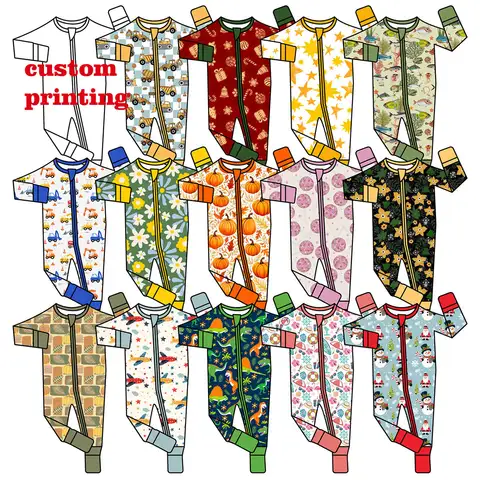
For seasoned procurement professionals executing large-scale deals, sourcing baby Girls Clothes requires a deep dive into both macro and micro aspects of the supply chain. Attention must pivot towards bulk pricing strategies, rigorous factory auditing, and supply chain resilience planning, ensuring market competitiveness and long-term partnerships when dealing with baby Girls Clothes Wholesale Bulk Supply.

Bulk Pricing Methodologies for Baby Girls Clothes Wholesale Bulk Supply
When negotiating for baby Girls Clothes Wholesale Bulk Supply, establishing a competitive per-unit cost hinges on forecasting accuracy. By leveraging advanced ERP systems, calculate demand trends for SKUs like onesies, dresses, and bodysuits. Aim for volume-based tiered pricing to maximize cost efficiency. Start by soliciting RFQs (Request for Quotes) from multiple manufacturers to benchmark baseline costs. For garments in the baby Girls Clothes category, GSM (grams per square meter) consistency should be guaranteed within pre-negotiated tolerances; any deviation affects weight-related shipping cost calculations and end-user satisfaction.
Strive to reduce FOB (Free on Board) pricing while outlining clear INCOTERMS at the contract's onset. Customization options, such as color or pattern alterations, should be built into the agreed markup margins, typically between 1.5x and 1.8x the base cost. For baby Girls Clothes, expect manufacturers to leverage economies of scale beyond an MOQ (Minimum Order Quantity) of 1,000 units per style.
Key Inspection Touchpoints in Factory Auditing
Factory auditing is non-negotiable for assessing supplier reliability in baby Girls Clothes Wholesale Bulk Supply. Vet facilities based on KPIs (Key Performance Indicators) that include production capability, downtime metrics, and technical execution. Focus on the following:
- Stitching Quality: Ensure consistent lockstitch precision for seams to endure repeated washing. Uneven stitching jeopardizes product integrity and may trigger higher return rates in the baby Girls Clothes segment.
- Fabric Sourcing: Scrutinize fabric mills supplying your contractor. Organic cotton and OEKO-TEX certified fabrics are increasingly in demand for baby Girls Clothes. Verify that dyeing and finishing processes adhere to environmental compliance standards.
- Operational Transparency: Conduct unannounced inspections to evaluate working conditions. Pay particular attention to fire safety protocols and labor compliance laws if sourcing via manufacturers in regions like Bangladesh or Viet Nam.
Mandate a gold-seal inspection process for all first production samples. For baby Girls Clothes, prioritize wash tests on samples to ensure colorfastness and shrinkage tolerance fall within the specified ranges. Maintaining QC inspection reports becomes critical in anticipating claims post-export.
Supply Chain Resilience for Baby Girls Clothes Wholesale Bulk Supply
With the unpredictable post-pandemic disruptions, supply chain resilience remains paramount for the uninterrupted availability of baby Girls Clothes. Implement diversified sourcing models to hedge against delays. Dependence on a singular geographical region like China for baby Girls Clothes Wholesale Bulk Supply might invite increased risk. Establish secondary sourcing channels in India or Turkey to offset lead time pressures.
Collaborate with suppliers owning vertically integrated setups. Facilities handling spinning, weaving, dyeing, and cut-sew operations under one roof significantly reduce dependencies. For transit protections, explore FTAs (Free Trade Agreements) between your home market and exporting countries to lower tariffs, especially if mass-ordering baby Girls Clothes. Proactive risk-assessment tools can predict freight congestions, helping planners pivot routes and carriers quickly.
Technology Integration and Forecasted Demand
For ongoing cost gains in baby Girls Clothes Wholesale Bulk Supply, integrate AI-driven procurement systems to analyze demand trajectories per style and size group. This refinement minimizes overstock scenarios, while JIT (Just-in-Time) inventory models reduce warehousing overheads. RFID tracking from initial dispatch to final warehousing audits also ensures batch traceability, assisting in potential product recalls, a critical safeguard in sensitive markets like baby Girls Clothes.
Pricing Benchmark Standards
Competitor analysis remains a foundational aspect when aligning pricing strategy for baby Girls Clothes. Study B2B distributors’ landed costs and backward-calculate to arrive at competitive retail markup. For a profitable margin, target a landed cost per unit 30%-40% lower than branded players retailing baby Girls Clothes. It is imperative to evaluate currency fluctuation risks when contracting suppliers in foreign markets.
Special considerations must be given to logistics costs when targeting developed markets for baby Girls Clothes Wholesale Bulk Supply. Negotiate with freight forwarders for lane-optimized shipment plans, ensuring synchronization with manufacturing schedules to capitalize on reduced inventory financing gaps. For bulk supply deals, split shipments across staggered timelines to manage cash flow fluidly without risking stock outruns.
| Quality Audit | TUV |
| Target Supply Chain Scope | Custom Comfortable Bamboo Romper |
| Eco Index | 95% Certified |
| Base Composition | GOTS Cotton 209nd Gen |
| Lead Time | 40 Days |
| Standard Supply Chain Specification | Baby Winter Pajamas |
Compliance and Regulatory Adherence
Every shipment of baby Girls Clothes must meet CPSIA (Consumer Product Safety Improvement Act) guidelines in the U.S., or REACH (Registration, Evaluation, Authorization, and Restriction of Chemicals) compliance in the EU. Formal certification checks are critical during acceptance inspection. A focus on BPA-free fasteners, non-toxic dyes, and hypoallergenic materials is integral to product permits, especially while dealing in premium-priced baby Girls Clothes Wholesale Bulk Supply.
Finally, engage legal and customs clearance teams early to navigate COG (Country of Origin) labeling standards for exported baby Girls Clothes. This avoids customs delays and penalties, which could completely erode project profitability.