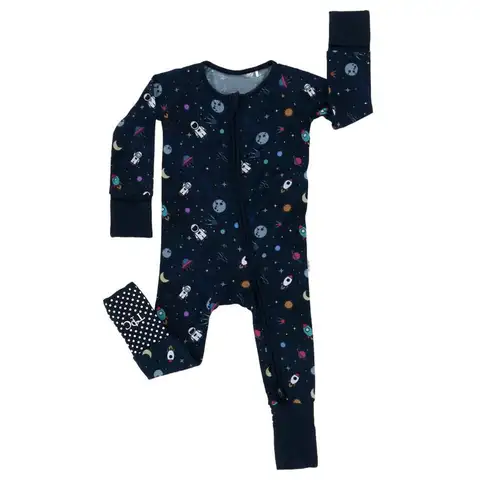
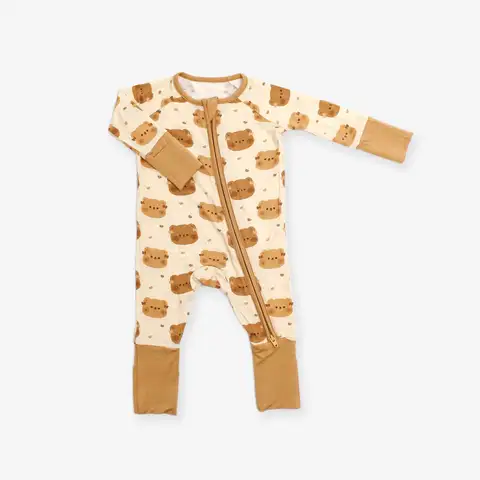
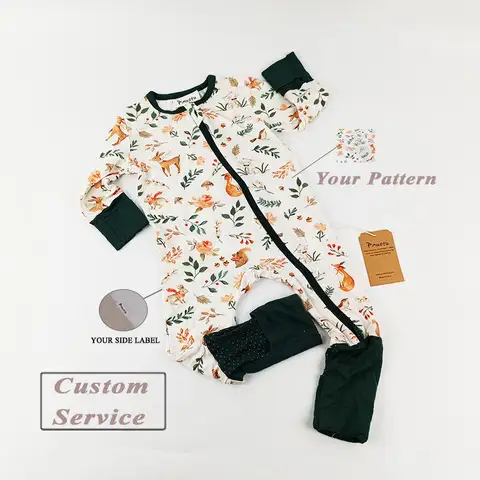
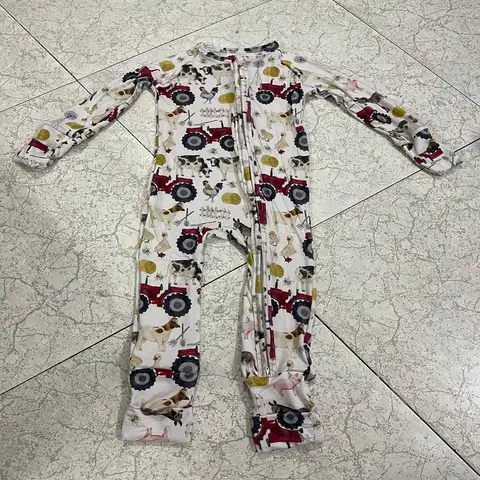
Source Bamboo Baby Romper Direct Manufacturer OEM Supplier

Understanding Key Fabric Specifications for bamboo Baby Romper
When sourcing bamboo Baby Romper, the first critical component is the fabric's GSM (grams per square meter). Any product targeting the infant wear market must adhere to stringent safety and durability requirements. A GSM between 180-220 is ideal for optimal softness and stretchability in a bamboo Baby Romper. Consistency in GSM across batches ensures a predictable and high-quality product, mitigating consumer complaints and wholesale returns.

In addition, pilling resistance must meet commercially acceptable standards. A Martindale abrasion tester should confirm at least 20,000 rubs to ensure durability post-manufacturing. Finer details such as colour fastness to washing (ISO 105-C06) determine the longevity of the dyes used in the manufacturing process, and these standards are non-negotiable for reputable bamboo Baby Romper suppliers.
Evaluating a bamboo Baby Romper Manufacturer Price List
Cost transparency is essential when procuring textiles. Always request a bamboo Baby Romper Manufacturer Price List that includes FOB (Free on Board) pricing as well as landed cost estimates. Average cost per unit is typically divided into fixed and variable costs; fixed costs include machinery depreciation, certifications, and quality assurance testing like AQL 2.5 inspections, which set the benchmark for allowable defect rates across textile goods. Negotiating bulk pricing based on identified fixed costs can lead to a significant reduction in per-unit expenditures.
A well-documented bamboo Baby Romper Manufacturer Price List should also detail pricing relative to production volume tiers. Manufacturers frequently offer discounted rates for orders of over 5,000 or 10,000 units. When reviewing bulk pricing, ensure it reflects not only economies of scale but also accounts for value-added services such as elastic threading, upgraded snaps for easy diaper changes, and moisture-wicking properties.
Factory Auditing Standards for bamboo Baby Romper Producers
In-depth factory audits are non-negotiable for any large-scale procurement strategy, especially with products like bamboo Baby Romper, where baby safety is paramount. Audits should include an assessment of production facilities compliant with ISO 9001 standards to secure process consistency and traceability. Environmental compliance is equally crucial, as bamboo textiles are often considered sustainable; verify adherence to certification programs such as OEKO-TEX Standard 100 or the Global Organic Textile Standard (GOTS).
Personnel management practices, specifically those in compliance with ILO (International Labour Organization) standards, should also be a focus. Request documentation proving compliance with non-discriminatory practices, wage laws, as well as adherence to health and safety regulations. During on-site inspections, verify that storage conditions protect raw materials from contamination and inspect equipment for garment processing to confirm regular maintenance is occurring.
Logistical Strategies to Enhance Supply Chain Resilience for bamboo Baby Romper Imports
Supply chain efficiency is imperative, especially given the fluctuating costs of raw materials such as bamboo. Anticipate potential disruptions by incorporating dual-sourcing strategies for your bamboo Baby Romper production needs. Diversify across geographically separate manufacturers while maintaining strict uniformity in GSM and dye standards. By doing so, you mitigate overreliance on any particular supplier.
Additionally, adopt Incoterms such as DDP (Delivered Duty Paid) for clear cost allocation and risk mitigation. A robust supply chain audit must also account for lead time variability. Monitor delays caused by port congestion, container shortages, or customs clearance holdups. Proactively managing these elements ensures a steady flow of bamboo Baby Romper inventory, even amidst macroeconomic disruptions.
Bulk Pricing Dynamics in the bamboo Baby Romper Industry
Pricing dynamics for bamboo Baby Romper are heavily influenced by raw material costs, labour overheads, and seasonal demand shifts. The cost of bamboo yarn varies depending on global supply chain stability, primarily in producing countries like China and India. To secure consistent pricing, lock contracts with raw material suppliers for periods extending six months or longer.
Labour considerations also affect the final FOB price in a bamboo Baby Romper Manufacturer Price List. Regions with higher adherence to international labour laws, such as Vietnam or Turkey, might result in slightly increased unit costs but provide stability and ethical compliance. Outside of essential overheads, manufacturers may supply additional price flexibility through surplus raw materials or shared logistics operations with other buyers.
Quality Control Protocols for bamboo Baby Romper Orders
The cornerstone of sourcing lies in implementing a rigorous quality control framework, especially for sensitive items like a bamboo Baby Romper. Begin with AQL 2.5 sampling levels, which analyze critical, major, and minor defects in production batches. Understanding threshold metrics is essential; typically, organizations apply a 0% threshold for critical issues relating to product safety and 2.5% for minor defects such as loose threading or uneven hems.
Conduct laboratory testing to examine formaldehyde levels, pH value, and shrinkage under laundering conditions. The pH of a bamboo Baby Romper should range between 4.0 to 7.5 to meet skin-friendliness standards. Additionally, modern buyers expect transparency in supply chain data. Incorporating QR code technology on labels will enable consumers to trace the manufacturing origins and material certifications of their product, augmenting brand reputation.
Raw Material Sourcing for bamboo Baby Romper Production
Bamboo fiber production hinges on sustainable agricultural practices, making it a favored material for environmentally-conscious consumers. Insist that your bamboo Baby Romper supplier sources bamboo from FSC-certified plantations. The bamboo should also be processed using non-toxic solvent technology to uphold the product's eco-friendly reputation.
Certification from the USDA for organic production or similar standards in regional markets strengthens the credibility of your product. Cross-reference these certifications with the bamboo Baby Romper Manufacturer Price List to ensure transparency in pricing directly linked to sustainability practices. While certifications might introduce slight cost increases, they open the gateway to premium labeling opportunities in mature markets.
| Primary Textile Field | Bamboo Pajamas Wholesale |
| Lead Time | 30 Days |
| Eco Index | 87% Certified |
| Technical Textile Zone | Bamboo Pajamas |
| Base Composition | Bamboo 530nd Gen |
| Quality Audit | TUV |
Packaging and Shipping Specifications for bamboo Baby Romper
Packaging requirements form an integral part of product quality and impact end-user perceptions. Suitable packaging solutions for bamboo Baby Romper include biodegradable polybags or recycled material cartons, aligning with the eco-friendly nature of the product. When negotiating bulk shipments, ensure packaging material costs are explicitly mentioned in the bamboo Baby Romper Manufacturer Price List. This tactic avoids hidden costs that could inflate overall transportation expenses.
Shipping specifications must align with volumetric efficiency. For example, vacuum-sealed packaging can reduce dimensional weight charges in sea or air freight. Prioritize freight consolidation services to improve cost efficiency while reducing the environmental impact associated with transportation. Regularly audit warehouse processes and storage conditions to verify preservation quality for items awaiting distribution.