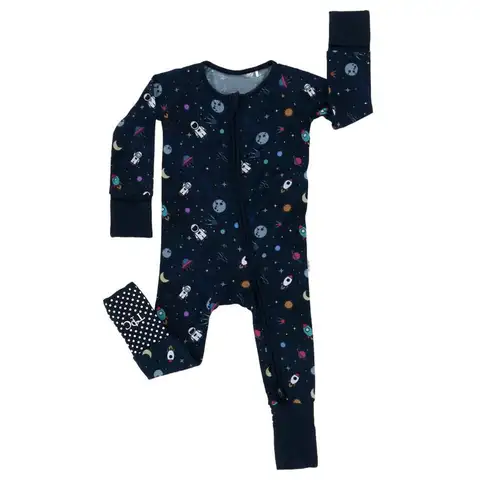
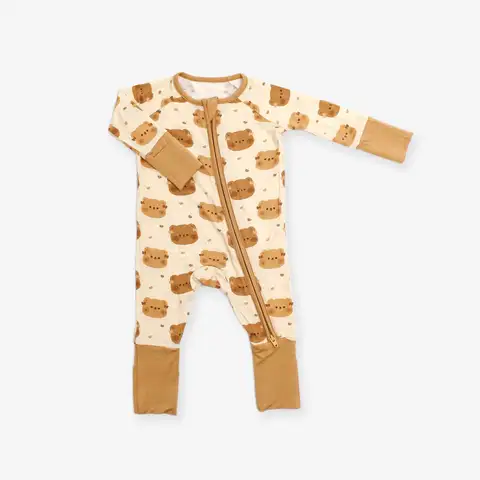
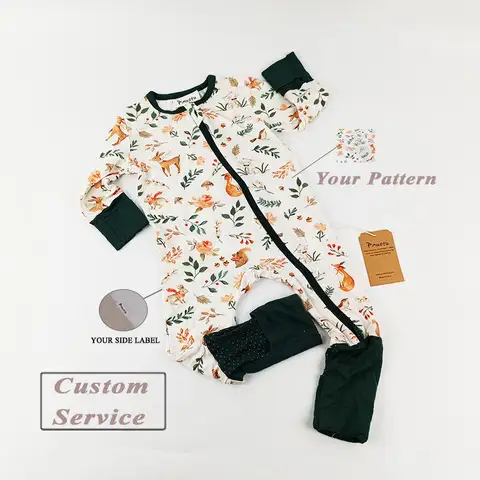
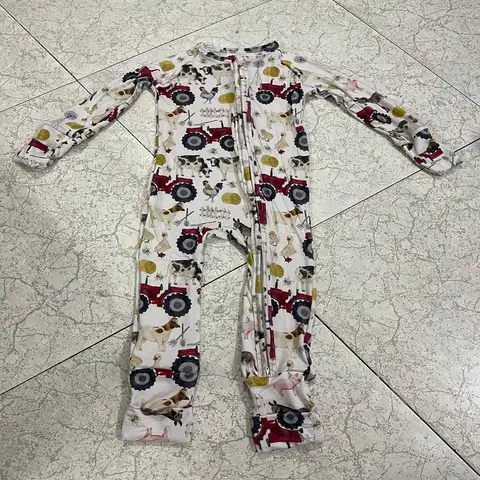
Source Top Wholesale Kids Pajamas Factory Leading
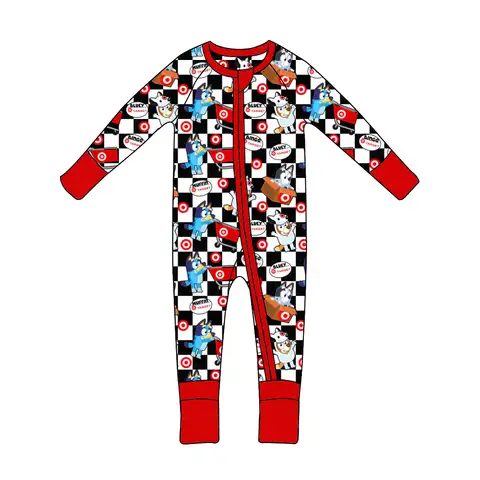
Sourcing Kids Pajamas at a B2B scale demands a meticulous approach to ensure compliance with quality, pricing competitiveness, and supply chain redundancy. With market demands growing for Kids Pajamas B2B Export Quality, prioritizing long-term vendor relationships, rigorous factory audits, and robust shipping protocols is indispensable for operational efficiency.

Fabric Selection and Quality Standards for Kids Pajamas
The starting point for high-quality Kids Pajamas lies in fabric selection. Materials often dictate customer satisfaction, compliance with safety standards, and brand reputation. Opt for hypoallergenic and flame-resistant fabrics, such as organic cotton or blend fabrics that meet the Oeko-Tex certification. Evaluate suppliers based on GSM (grams per square meter) to ensure fabric durability while meeting benchmarks for breathability and softness. Additionally, conduct mandatory pilling resistance tests to assess fabric longevity after multiple washes.
All Kids Pajamas should comply with CPSIA (Consumer Product Safety Improvement Act) in the United States or REACH standards in the EU. For B2B export operations, prepare comprehensive test reports covering shrinkage tolerance, seam strength tests, and colorfastness metrics. Ensure suppliers understand AQL 2.5 standards to minimize defects in mass production while maintaining cost efficiency.
Bulk Pricing Strategies for Kids Pajamas B2B Export Quality
Competitive bulk pricing for Kids Pajamas hinges on volume commitments and pre-negotiated terms. Engage in tier-based procurement contracts that incentivize suppliers to provide discounts at higher order volumes. Typically, securing discounts hinges on minimum order quantities (MOQs), which should be negotiated to align with shipping economics while mitigating excess inventory storage costs.
Forecast demand using historical sales data and align production timelines to reduce idle capacity from your supplier line. Leverage long-term purchase orders (LPOs) to stabilize material costs, especially given fluctuations in raw commodity prices—like cotton or bamboo—for Kids Pajamas B2B Export Quality. Also, explore garment factories operating in Free Trade Zones (FTZs) to eliminate unnecessary tariffs.
Vendor Assessment and Factory Auditing
Building a robust partnership with manufacturers for Kids Pajamas B2B Export Quality requires a focused factory audit protocol. Each prospective factory should be evaluated across the dimensions of compliance, technological capacity, labor practices, and scalability.
1. Compliance Checks: Confirm documentation of certifications such as ISO 9001 for quality management and SA8000 for ethical labor practices. Ensure facilities maintain compliance with ASTM standards for textile durability specific to Kids Pajamas.
2. Technological Capacity: Assess machinery capabilities for producing seamless garments, evaluating high-speed overlock stitching for better seam durability and elasticity in Kids Pajamas.
3. Social Responsibility: Conduct surprise audits to verify compliance with anti-child labor laws and minimum wage regulations. Evaluate if the factory conducts proper training for workers handling flame-retardant fabrics that are commonly used in Kids Pajamas.
4. Flexibility in Manufacturing: Vet factories for their ability to accommodate design modifications, variable order sizes, and quick ramp-up periods in response to seasonal fluctuations. Proactively measure their average lead time based on past B2B production commitments.
Logistics and Bulk Shipping Protocols
Effective logistics planning guarantees prompt delivery of Kids Pajamas while optimizing freight costs. For ocean freight, consider full container load (FCL) shipments to reduce cost per unit, especially for high-demand Kids Pajamas B2B Export Quality. Work with freight forwarders who specialize in textiles to streamline customs clearance, labeling, and HS Code classification (specifically under Chapter 61 or Chapter 62 for apparel).
For air freight, utilize dimensional weight optimization by analyzing garment folding methods to maximize carton capacity. Ensure all packaging materials comply with international regulations, such as ISPM-15 for wooden pallets. Carry out routine container inspections to mitigate mold risks for Kids Pajamas in humid transit conditions.
Review Incoterms like FOB (Free on Board) or CIF (Cost, Insurance, and Freight) based on operational control preferences. Select third-party logistics (3PL) providers who can offer bonded warehouse facilities in distribution hubs, reducing last-mile delivery timelines for Kids Pajamas B2B Export Quality.
Price-Critical SKU Rationalization for Kids Pajamas
Product categories for Kids Pajamas often vary by seasons, child age groups, and geographic regions. Diversify staple SKUs (stock-keeping units) such as printed cotton sets, fleece sleepwear, and holiday-themed pieces. Continuous SKU rationalization ensures optimal inventory turnover across key retail channels.
Conduct breakeven analyses based on landed costs per SKU, comparing factory price, tariff obligations, and freight. High-demand markets for export, including the EU and North America, are particularly competitive for seasonal designs in Kids Pajamas B2B Export Quality. Partner with data analytics platforms with intelligence on regional sales traction to scale profitable SKUs faster.
Supply Chain Risk Mitigation
Safeguarding the reliability of sourcing Kids Pajamas involves preemptive planning for disruptions. Implement dual-sourcing strategies by onboarding secondary suppliers for critical material inputs like flame-retardant finishers. Periodically evaluate the geographical distribution of suppliers to assess risks associated with trade restrictions, political turmoil, or environmental exposures.
Use vendor scorecards to track concerns such as late deliveries or non-conformance in sample testing for Kids Pajamas B2B Export Quality. If higher risks become evident, assess the feasibility of migrating operations to politically stable hubs like Vietnam or Bangladesh, known for their mature garment production ecosystems.
Stay agile by creating buffer stock provisions in warehousing networks located near demand centers. Maintain constant communication with freight partners for real-time monitoring of shipment delays or re-routing needs that may affect the delivery of Kids Pajamas.
Cost Control Measures in Manufacturing
Resource optimization is pivotal to keeping unit costs for Kids Pajamas B2B Export Quality below threshold levels while maintaining compliance standards. Collaborate with suppliers to audit and improve waste elimination during material cutting and sewing stages. Linear programming models can help source the optimal blend material for cost versus durability in Kids Pajamas.
Automated cutting machines and ERP-driven production workflows should be prioritized for mass production of Kids Pajamas. Sustainability mandates, while cost-intensive upfront, typically lower long-term manufacturing expenses and increase brand equity. Investigating energy-efficient dyeing and smaller batch processing innovations can lower operational expenditure and align with eco-conscious buyers.
Labeling Requirements and Regulatory Compliance
All Kids Pajamas must adhere to stringent safety labeling requirements. For garments distributed in the U.S., ensure compliance with the Federal Flammable Fabrics Act, mandating sleepwear-specific flammability tests. Label requirements should highlight care instructions, fiber composition, manufacturer details, and size specifications.
B2B buyers exporting Kids Pajamas B2B Export Quality to the EU market should ensure compliance with the EU Textile Regulation 1007/2011 and Ecolabel certifications. Include bilingual labeling where regional law requires translating care instructions for end consumers. Pre-shipment audits should include a randomized sample inspection for labeling accuracy to prevent penalties and shipment recalls.
Technology-Driven Transparency in the Supply Chain
Integrate real-time inventory management technologies like RFID (Radio Frequency Identification) to improve traceability within the supply chain for Kids Pajamas. Blockchain integration can validate material origin, ensuring compliance with sustainable sourcing requirements for organic fabrics used in Kids Pajamas B2B Export Quality.
Run predictive analytics to anticipate spikes in demand for Kids Pajamas, particularly around major retail events like Back-to-School or holiday seasons. Leveraging technology ensures scalability without compromising the quality or delivery timelines critical for B2B success.
Custom Design Capabilities for Diverse Market Needs
B2B buyers in the Kids Pajamas category frequently demand custom designs to cater to regional cultural preferences. Opt for manufacturers equipped with CAD (Computer-Aided Design) systems to facilitate design prototyping and pattern grading. Flexible MOQ parameters for pilot-scale production ensure new designs can be tested without significant capital outlays.
Incorporate value-addition processes such as embroidery, sublimation printing, or digital heat transfer for branding purposes on Kids Pajamas B2B Export Quality. Evaluate vendor expertise in managing custom fabric cutting, dyeing, and printing while maintaining quality consistency across high-volume deliveries. Ensure design IP (intellectual property) protection clauses are integrated into all contracts with third parties involved in the manufacturing of Kids Pajamas.
| Standard Market Data | Fall Bamboo Pajamas |
| Quality Audit | BV |
| Base Composition | GOTS Cotton 808nd Gen |
| Elite Production Scope | Viscose From Bamboo Baby Pajamas |
| Eco Index | 93% Certified |
| Lead Time | 16 Days |
Final Quality Inspection Best Practices
Comprehensive quality inspections are the last safeguard to ensure the reputation of Kids Pajamas B2B Export Quality before delivery. Appoint independent third-party agencies to perform pre-shipment inspections, focusing on color matching, measurements, and stitching accuracy.
Adopt a robust Acceptable Quality Level (AQL) system. While AQL 2.5 is the industry standard for garments, consider tightening defect parameters for premium segments in the Kids Pajamas range, where zero defect tolerance enhances buyer trust. Record findings through detailed inspection reports to help manufacturers rectify quality deviations from future production runs.
Green Initiatives and Sustainability in Kids Pajamas Manufacturing
The growing demand for eco-friendly textiles underscores the importance of sustainable practices in Kids Pajamas B2B Export Quality. Partner with manufacturers committed to renewable energy usage, minimal water consumption in dye processes, and recycle-friendly packaging solutions.
Position yourself competitively by sourcing GOTS-certified (Global Organic Textile Standard) materials for organic Kids Pajamas. Specify material traceability back to ethical farming operations in purchase contracts, ensuring compliance with buyer requirements in eco-conscious markets like Scandinavia and North America.