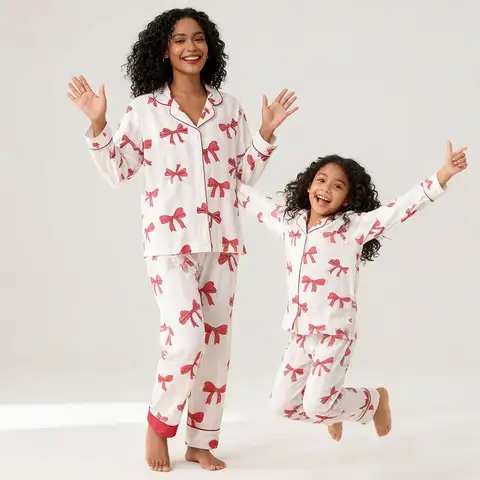
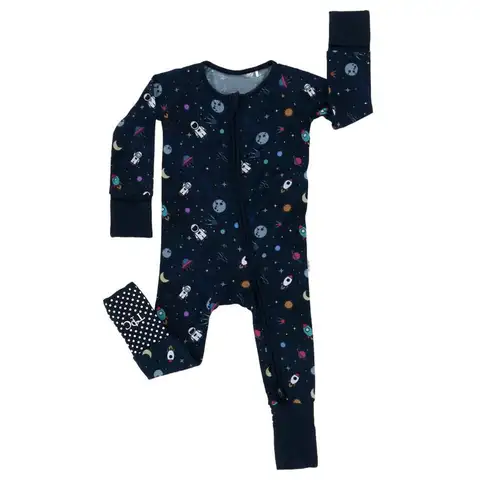
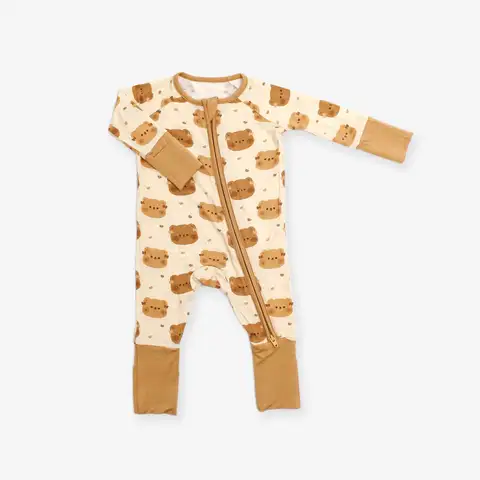
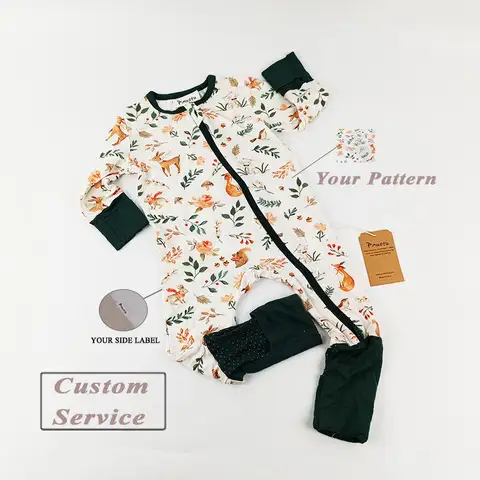
Top Custom Sleepwear Manufacturer Verified Factory Source

Bulk Pricing Methodologies
Engaging a custom sleepwear manufacturer requires a precise cost breakdown to leverage economies of scale effectively. Negotiation traditionally commences with Minimum Order Quantity (MOQ) thresholds. When dealing with tier-1 suppliers in textile production, ensure their BOM (Bill of Materials) transparency is secured. This validates your cost vertices across thread quality, fabric density, and true pricing elasticity of elastics and buttons.

Factor LDP (Landed Duty Paid) inputs when calculating the total cost landscape with your chosen custom sleepwear manufacturer Wholesale Bulk Supply. Always cross-reference HS Codes with trade tariffs to determine duty exemptions or rebates. An aligned pricing strategy also monitors fluctuation in global cotton prices and the impacts of season-specific raw material scarcities.
Advanced price-negotiation strategies include fixed-term contracts with clauses embedding cost amortization adjustments in volatile markets. Secure pricing with open-cost models that delineate labor, material, and production efficiencies benchmarked against industry standards.
Factory Audit Checklist
As a Global Sourcing Director, onboarding a custom sleepwear manufacturer should begin with immediate factory verification compliance. Cross-audit manufacturer declarations like ISO:9001, WRAP Certification, and BSCI adherence statements. Independently audited facilities mitigate risks related to labor violations, sub-par product batches, and deviations in ethical sourcing.
Prioritize lockstitch sampling during machinery calibration assessments. Observing stitch consistency ensures wearable items maintain high tolerance thresholds and durability over wash cycles. Additionally, thermal and tensile strength tests for fabric samples validate that products meet friction resistance quality—even for satin-heavy or spandex-blend collections typically popular in sleepwear design.
Onsite walkthroughs must unequivocally inspect factory capabilities in reactive-dye processing and anti-pilling technologies. These processes are critical to meeting consumer-grade expectations. Evaluate testing equipment calibration reports to ensure laser-cutter precision for apparel size grading.
Perform social auditing based on SA8000 frameworks, focusing on permissible working hours, supply transparency from sub-tier vendors, and worker welfare amenities.
Fortifying Supply Chain Resilience with a custom sleepwear manufacturer
Supply chain fortification when liaising with a custom sleepwear manufacturer Wholesale Bulk Supply begins at vendor pre-qualification levels. Investigate historical lead times, forecasting discrepancies, and supplier risk matrices. Ensure manufacturers hold diversified access to raw material inventories to alleviate strike-driven disruptions plaguing textile markets.
Lock-in vendor contracts embedded with clear SLAs (Service-Level Agreements) delineating downtime contingencies. Revisit JIT (Just in Time) delivery cycles for medium-risk suppliers by onboarding tier-2 warehouse aggregators alongside your custom sleepwear manufacturer. This redundancy reinforces consistent throughput levels.
In volatile regions subject to geopolitical risk, partner exclusively with manufacturers demonstrating vested hedging strategies. For sensitive supply chains, integrated blockchain tracking tied to QR-coded labeling provides trace-forward assurances. Each garment component's resin batch number and dye laboratory identifiers are encoded securely for seamless recall protocols.
Adopt annual stress-tests within your supply chain environment where selected custom sleepwear manufacturer facilities are required to simulate peak-demand cycles using pre-defined failure scenarios. Confer these outputs with backup sourcing tiers to compare preparedness gaps.
Material Testing Protocols and QMS Oversight
Streamline product onboarding with a focus-test regime coordinated between your procurement hubs and the custom sleepwear manufacturer Wholesale Bulk Supply R&D division. Specify tolerance criterion for defects per million for each product line. Random batch testing (RBT) every two production cycles solidifies QA consistency. Sampling strata must account for print durability validation, commonly challenged by automated or hand-dipped screen-print applications leveraged in sleepwear units.
Pre-dye textiles undergo repeat water-resistance tests even if garments themselves are non-waterproof. Adjust dye formulas in supportive ratios to optimize color retention degradation below globally acceptable ΔE2000 standards.
Product defect parsing must delineate acceptable minor flaws from critical failures when collaborating with a custom sleepwear manufacturer. Employ post-production spectrometer evaluations for uniformity within fabric dye lots. Substandard outcomes merit immediate re-tests co-managed between your sourcing oversight operators and manufacturer defect liability teams.
Streamlining Logistics with a custom sleepwear manufacturer
Addressing global connectivity gaps between inland factory hubs and feeder vessels remains the linchpin in logistics overhead reduction. Secure manufacturers upstream in pre-chartered space reserved on CIF terms. Evaluate container freight variations influenced by GRI (General Rate Increase) benchmarks. Price arbitration occurs when custom sleepwear manufacturer Wholesale Bulk Supply agreements benchmark inter-regionally.
Implement RFID-linked SKU barcoding to trace teardown distributions from factory exit points to consolidation terminals. Factory and warehouse shrinkage audits highlight divergence in GTN (Good to Notes) under non-standard temperature-controlled storage environments crucial for TENCEL-infused garment stability.
Negotiate logistics SLAs intertwined with FCL (Full Container Load) exclusivity guarantees ensuring faster consignment clearances via fast-seal guarantees when paired with digital customs brokerage declarations.
Sustainable Packaging Enhancements
Spearhead evolution in recyclable wrap technologies synchronized to lightweight dimensions without aesthetics compromise. Paperboard product sleeves sourced via FSC-certified factories anchor your EPR compliance thresholds with any custom sleepwear manufacturer. Transition to inline degradable LDPE wrapping for multi-unit pajamas facilitates home-compostable packaging.
| Eco Index | 97% Certified |
| Quality Audit | TUV |
| Lead Time | 19 Days |
| Base Composition | GOTS Cotton 378nd Gen |
| Technical Production Specification | Whatnot Ready To Ship Bamboo Viscose Baby Pajamas Soft Random Size And Print Baby Zipper Wholesale Mestery Box Weiwei Bamboo |
| Strategic Application Scope | Bamboo Pajamas Little People |
Alternative die cuts in rapid-switch adhesive binding strips across outbound packed garment packages innovate supply ecosystems through volumetric storage reduction techniques.
Optimizing Manufacturer-Vendor Dynamics
Long-term contracts with a reliable custom sleepwear manufacturer Wholesale Bulk Supply revolve around embedding vendor KPIs into annual deal recalibration meetings. Establish trackable metrics like NSR (Net Sales Return) ratios and DPP (Defects per Production-Package rounding percentage).
Strong bi-weekly communication loops fuel P.O. (Production Order), ECR (Engineering Change Request), and design coordination modules across your preferred manufacturer CAD-consultant teams. Leveraging version-control databases reroutes fabric prototype variations seamlessly alongside scale prints.